Wuthering Heights – red corridors, wild moors, and the moment the film finally broke my heart
Warning – I am going to be a bit dramatic, but the film is dramatic, so… here we are.
These are my initial immediate thoughts a few hours after seeing the film.
Two weeks after seeing Hamnet, I found myself back in the cinema again for a new adaptation of Wuthering Heights.
We all walked out of the cinema with that slightly dazed feeling you sometimes get after something intense.
Not confusion, exactly.
More like:
…what on earth did I just experience?
In the best possible way.
Perhaps I should stop accidentally scheduling emotionally devastating British storytelling within the same fortnight.
A visually stunning Film
The first thing that really struck me was the cinematography.
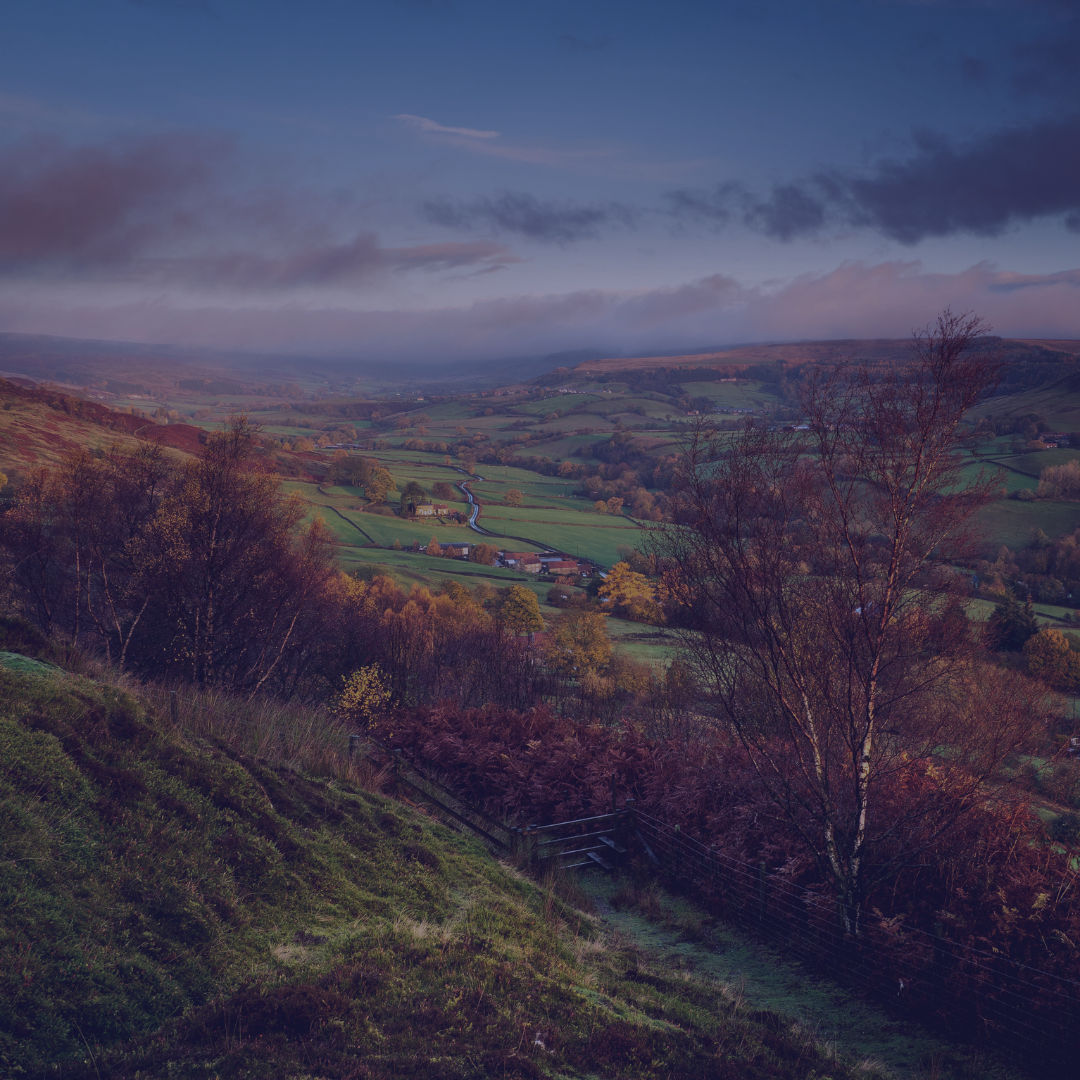
Not just the sweeping shots of the moors, though those are beautiful in that wild Yorkshire way where the weather feels like it has opinions about the people living underneath it.
It’s the intimacy as well.
Close shots that sit with a character just long enough for you to feel the weight of what’s happening rather than rushing past it.
There’s texture everywhere in this film.
Mud. Stone. Smoke. Wind. Firelight.
You can almost feel the damp in the air.
Two houses, two worlds
One of the most interesting choices the film makes is the contrast between the two houses.
Wuthering Heights
Heavy. Earthy. Industrial.
The buildings look like they grew out of the ground rather than being designed.
Everything feels rough and elemental.
Thrushcross Grange
Pastels. Reds. Metallic fabrics.
The architecture is almost avant garde at times. The accessories feel curated rather than lived in.
At first, I’ll be honest – that contrast pulled me out of the film slightly. It felt unexpected.
But the longer the film went on, the more it felt intentional.
These places aren’t just settings.
They feel like emotional environments.
Catherine’s colour trail
One of the things I couldn’t stop noticing was the way Catherine Earnshaw is dressed throughout the film.
Red and white.
Again and again.
The contrast is striking.
White suggests innocence or fragility.
Red suggests passion, danger, blood.
Put together, it turns Catherine into something almost elemental.
Not a quiet Victorian heroine, but a force of nature.
Meanwhile Heathcliff isn’t dressed in red so much as surrounded by it.
Firelight.
A deep red sunset.
Silhouettes.
And eventually the long dark red corridor that leads him toward Catherine’s body.
It almost feels as though the colour slowly spreads across the world as the story moves toward its inevitable end.
Performances
The acting across the board was fantastic.
Martin Clunes as Catherine’s father is properly abhorrent. The kind of performance that makes you physically tense in your seat because you can feel the damage this man does to the people around him.
I’ll admit I was slightly sceptical about Jacob Elordi going in.
The only thing I’d seen him in before was The Kissing Booth, which is… not exactly the same emotional terrain.
He proved me wrong.
His Heathcliff is both physically and emotionally imposing, in a way the film uses very deliberately. He towers over the women around him and the camera often emphasises that imbalance.
There’s a quiet sense of gravitational pull around him.
The younger Catherine and Heathcliff deserve a mention as well. Their performances feel instinctive rather than controlled. You’re watching something form rather than being told about it.
It makes everything that follows feel quietly inevitable.
And then there’s Margot Robbie as Catherine.
She’s magnetic.
Not soft or delicate.
Volatile. Impulsive. Completely convincing as someone who could define another person’s entire emotional universe.
The soundscape
The sound design is another interesting choice.
Haunting female vocals drift through parts of the film, almost like echoes across the moors.
But underneath that beauty there are harsher textures.
Industrial sounds. Mechanical tones. Something grinding quietly beneath everything.
Beauty layered over brutality.
Which honestly just feels right for Wuthering Heights.
The ending
This adaptation removes the generational continuation of the novel and focuses entirely on the tragedy between Catherine and Heathcliff.
I didn’t mind that decision at all.
If anything it concentrates the story.
Catherine dies after blood poisoning when the baby dies inside her and remains there for some time.
It’s brutal.
Nelly takes Isabella away from Wuthering Heights. We never see what happens next.
And the film ends with Heathcliff.
There’s a long deep red corridor.
He walks down it in silhouette.
At the end of that corridor is Catherine’s body.
That was the moment the film finally broke me.
Not loudly.
Just quietly devastating.
A man finally reaching the person who defined his entire life – only when it is far too late.
Walking back out into the night
I’m not upset that this version truncated the story.
It works.
Instead of a sprawling generational saga, the film becomes something closer to a gothic tragedy.
Two people whose connection is so absolute it destroys them.
Walking out of the cinema I kept thinking about that red corridor.
About the moors.
About how some stories don’t try to comfort you at all.
They just leave the wind blowing through your head for a bit.
In fairness, I did try to rebalance the emotional scale with Scream 7 last week.
But between that, Hamnet, and this… the cinema schedule has been a little intense lately.

Join the Mailing List
If you’d like to follow along as I write, reflect, and occasionally ramble about culture, games, music, and memory, you’re very welcome to join me here.
Emails are infrequent and always written by me.