Preconceived Ideas – Why We Miss Things Before We’ve Met Them
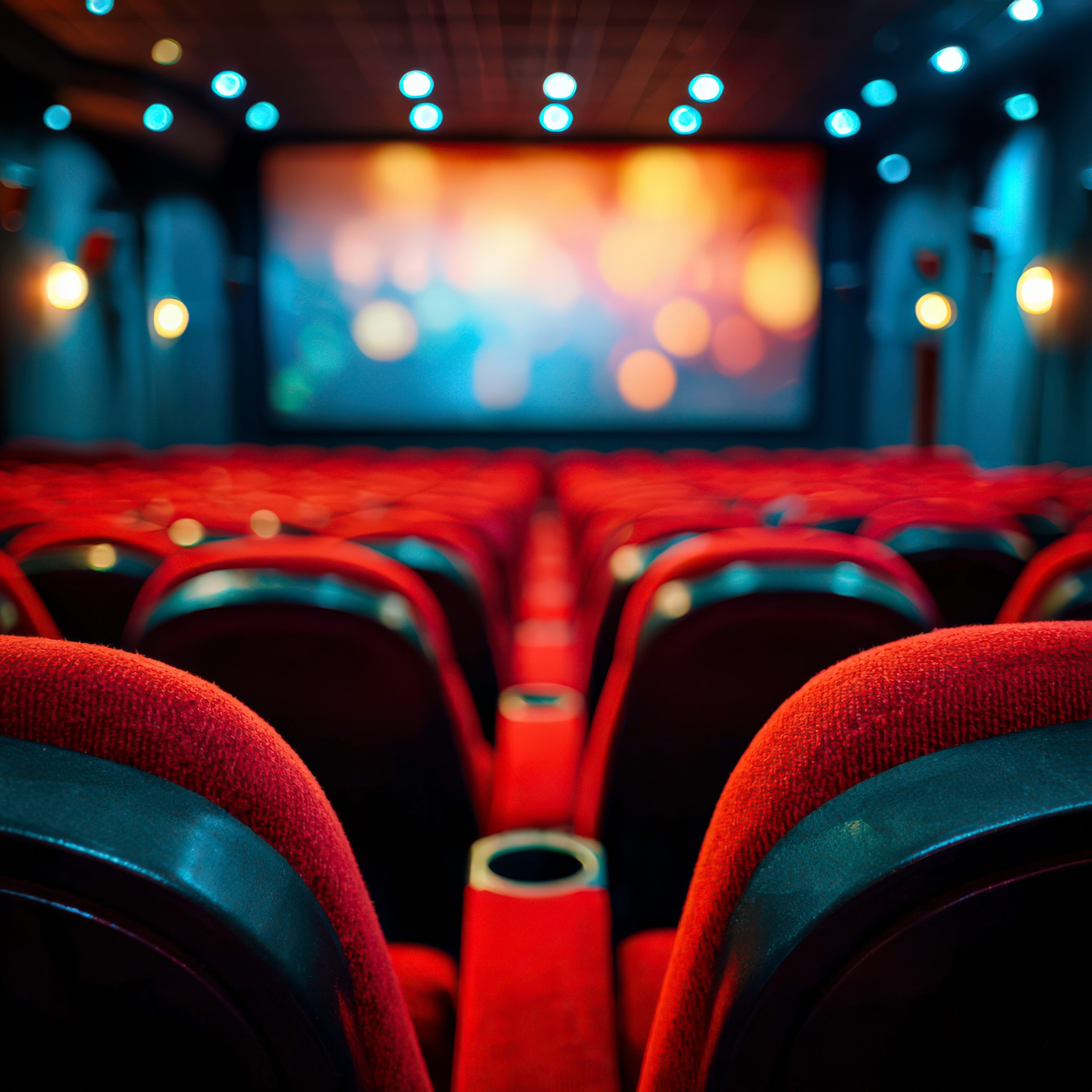
Have you ever realised you’ve decided a film isn’t for you without ever really letting it be?
It happens quietly. You’re listening to someone talk about a film, scrolling past a title, or half-watching a trailer, and at some point you stop paying attention. Not because it’s bad, necessarily, but because you’ve already decided where it sits in your mental filing system.
Preconceived ideas are like that. They don’t announce themselves. They just close doors.
I think we learn this habit early. As children, and especially as teenagers, we often define ourselves in opposition. I certainly did. If someone important in my life liked something, there was a phase where I felt almost obliged to dislike it on principle. I even waged a brief but passionate war against zucchini, which feels faintly ridiculous now but made perfect sense at the time.
What I eventually realised was that no one else was affected by this but me. I was the one missing out.
That became particularly clear years later, in an unexpected place: cinema.
For a long time, I’d written off Rambo and Rocky entirely. Not because I’d seen them and formed an opinion, but because of a tangle of associations I’d never bothered to untangle. My mother admired Sylvester Stallone. My then-husband was nicknamed “Rambo”. That, apparently, was enough for me to dismiss an entire body of work without ever engaging with it.
When I finally sat down and actually watched the films, I was caught off guard. More than that, I was quietly embarrassed by how wrong I’d been.
The Rambo films were nothing like the shorthand version I’d carried around for years. They weren’t simplistic, testosterone-heavy celebrations of violence. They were reflective, politically charged, and far more thoughtful than I’d expected, grappling with trauma, displacement, and the aftershocks of conflict. Watching them felt like reclaiming something I’d denied myself for a long time.
Rocky landed differently. I’ve only watched the first few films, and while I can appreciate how well they’re made, they didn’t resonate with me in the same way. And that’s fine. The difference this time was that my judgement was grounded in experience rather than assumption.
That distinction matters.
Cinema, perhaps more than any other medium, suffers from cultural shorthand. Films get flattened into memes, reputations, and lazy summaries. We inherit opinions second-hand, absorb them uncritically, and move on. In doing so, we often deprive ourselves of encounters that might have surprised us, unsettled us, or expanded our understanding.
One of the films I still tend to measure conflict narratives against is The Killing Fields, and part of what surprised me about revisiting Rambo was how much more conversation there was to be between those films than I’d ever allowed.
Preconceived ideas don’t protect us. They narrow us. They stop us paying attention. And often, they cost us more than we realise.
I try now to notice when I’m closing a door too quickly. When I feel resistant for reasons that have very little to do with the film itself. Sometimes I still need a small nudge to step outside my comfort zone. Sometimes that nudge is as simple as curiosity. Sometimes it’s the promise of a coffee afterwards.
Not every film will be for you. That isn’t the point.
The point is letting yourself actually meet it before deciding.

Join the Mailing List
If you’d like to follow along as I write, reflect, and occasionally ramble about culture, games, music, and memory, you’re very welcome to join me here.
Emails are infrequent and always written by me.